

WORKSHOPS
We offer educational events and trainings across California to help farmers understand and better prepare for new on-farm food safety regulations. Check our Events Page for upcoming workshops near you.

PARTNER FARM PROGRAM
Designed to help farmers reach their food safety goals, this program provides one-on-one support to farmers updating their food safety practices. We visit farms to provide additional in-person support and farmers earn a stipend for participating.
FOOD SAFETY PLANS
Templates including recording keeping logs, farm risk assessments, fact sheets, harvest checklists and other documents to use on your farm business.

WEBINARS
We offer online webinars and trainings that you can join from your home computer to help you better understand and comply with new on-farm food safety regulations.

FOOD SAFETY RESOURCE TOOLBOX
Fact sheets to tips on value-added products, find a variety of resources to help keep your produce safe and your farm in compliance with food safety regs.

PODCAST
In the Farmers Beet Podcast, hear directly from small family farmers about the techniques and innovations used to keep their food safe to eat, practical tips shared by farmers for farmers.


According to the USDA Food Safety and Inspection Service (US FSIS) food safety is defined as “A suitable product which when consumed orally either by a human or an animal does not cause health risk to consumers.”
There are three types of health risks that can be caused by food:
1. Chemical – improperly stored, handled or used chemicals can be a source of contamination. Examples of chemicals used on farm include fertilizers, synthetic and non-synthetic pesticides, cleaning agents, fuel, etc.
2. Physical – anything that is not meant to be in the produce. Examples include screws, glass, staples, wood, insects, etc.
3. Biological (Microbial) – could be viruses, bacteria, parasites, or fungi, that cause illnesses and sometimes even death. (Bacteria that are disease causing are referred to as pathogens. Illnesses caused by eating contaminated foods are referred to a foodborne illnesses or food poisoning). It is important to consider and understand all three sources of potential contamination, but biological contamination is the biggest concern. This is in part because the human sensory system cannot see, taste, smell or feel pathogens or viruses, whereas we can often detect chemical contamination through smell or taste and physical contamination through touch or feel.
Food safety risks may be reduced on the farm by following good agricultural practices (GAPs). GAPs help growers understand the practices and risks associated with their farm, and help identify practical ways to reduce the risk of contaminating produce being grown, harvested and packed on the farm. Implementing GAPs on the farm help decrease the likelihood of a food safety outbreak.

There is no such thing as “zero-risk,” but practices and steps need to be in place on farms to minimize any potential risk of contamination. Although the common principles of GAPs don’t change from farm to farm, each GAP is unique, as every grower does things differently.
GAPs focus on assessing the risk in the following five key areas:
1. Water
2. Manure/Compost & Soil Amendments
3. Land Use (Previous/Adjacent) & Animal Access (Domestic/Wildlife)
4. Equipment, Tools & Buildings
5. Employee Health & Hygiene
Assessing the risks and implementing steps to reduce the chance of contamination in each of the above five areas and ensuring proper traceability is what makes GAPs successful on farm.
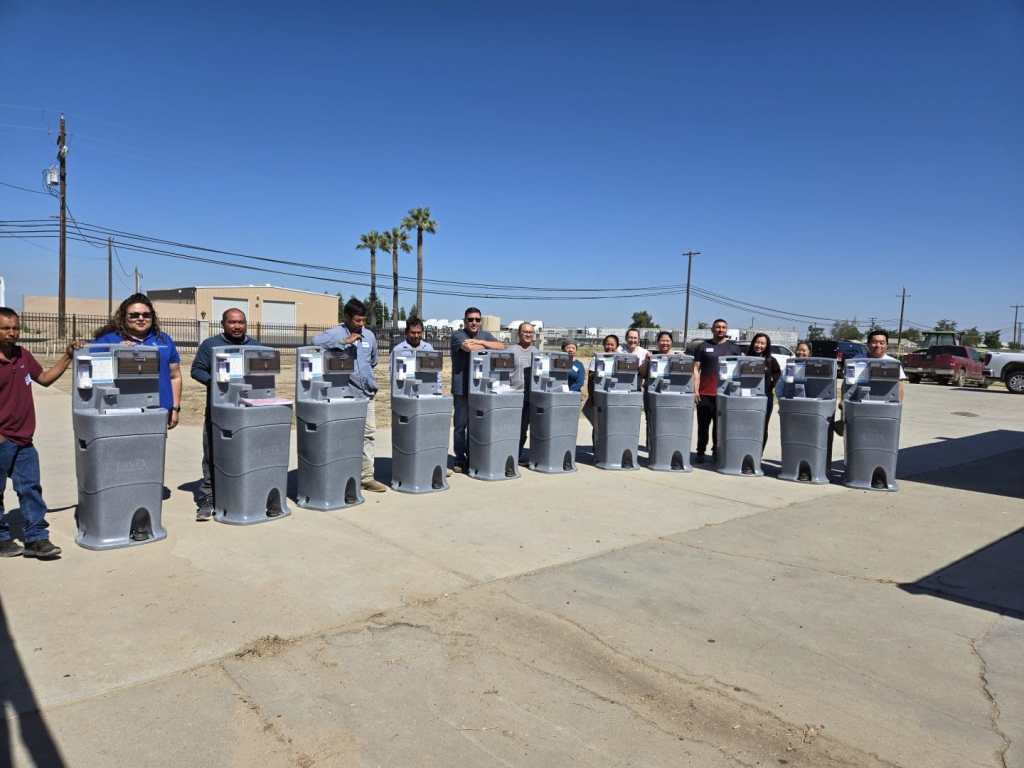
Food Safety Technical Assistance for Small-Scale and BIPOC Farmers: Lessons from CAFF’s Partner Farm Program
CAFF’s Farmer Services Program has worked with hundreds of farmers over the years to provide food safety technical assistance. We help farmers navigate complicated state and federal food safety regulations

On-Farm Recordkeeping: Technologies & Strategies
Learn the benefits of keeping good records on your farm and how to level-up your recordkeeping practices!
Record keeping is beneficial for three major compliance areas: FSMA compliance, organic certification, and GAP audits.
2025 NOP/FSMA/3rd Party Audit Food Safety Guide (Updated)
This updated guide for 2025 provides charts that give a side-by-side comparison of the similarities and differences between the requirements of the National Organic Program, Food Safety Modernization Act, and

Financial Assistance Available for Food Safety Certification
A new program through USDA’s Farm Service Agency is providing reimbursement for on-farm food safety program expenses related to obtaining or renewing a food safety certification in calendar years 2024 and/or 2025.

Understanding Biological Cross-Contamination: Trainer Lesson Plan
This resource is geared towards technical service providers and/or farm managers looking to do an interactive and memorable activity with farmers. Farmers are able to visualize the spread of biological

Cleaning & Sanitizing Kit with QR Codes
This resource has key supplies needed for on-farm cleaning and sanitizing with QR codes to direct links where you can buy them from. Download the resource here.